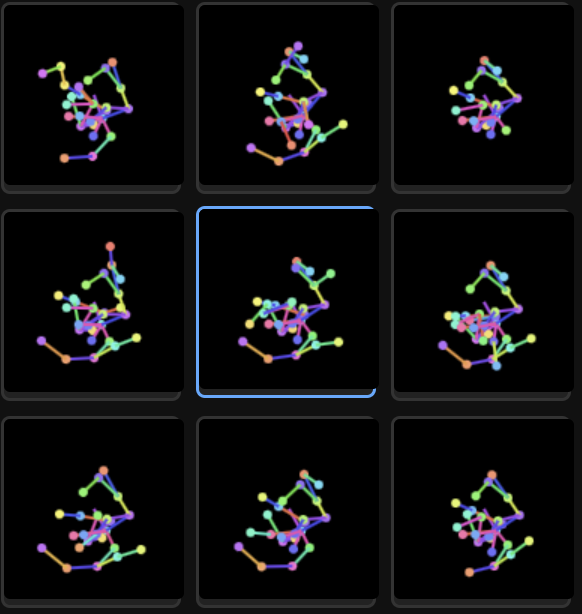
Proof of Macroevolution Life Simulator
https://en.wikipedia.org/wiki/Macroevolution
The Science of Macroevolution Explained Simply
Core idea: Living things make babies, and the babies are never exact copies. That simple fact, repeated over huge stretches of time, is what we call macroevolution.
1. Babies Are Never Perfect Copies
Every generation:
- DNA gets copied
- Copying is never perfect
- Tiny differences appear in the babies
Most differences are so small you would not notice them without careful measuring. But they are there.
The big change comes from stacking many small steps — the same way a journey of a thousand miles is nothing more than taking one small step, then another, then another.
2. Why Babies Are Slightly Different (The Mechanisms)
Mutation (Copying Errors)
When DNA is copied to make gametes, or new reproductive cells, it is not perfect. Sometimes a single “letter” in the DNA changes.
That tiny change can cause:
- Slightly longer or shorter hair
- Slightly longer or shorter legs
- Slightly different color
- Slightly different timing of growth
Each change is small, but real.
Recombination (Shuffling DNA)
When two parents have a baby, the baby gets a mix of both parents’ DNA. The DNA is shuffled.
This creates new combinations, such as:
- Father’s long legs + Mother’s dark fur
- Mother’s fast metabolism + Father’s strong bones
No new “parts” are needed. Just new combinations of what already exists.
Developmental Randomness
Even with the same DNA, growth is not perfectly repeatable.
- Cells divide at slightly different times
- Hormone levels vary a bit
- Nutrients and conditions vary a bit
This is why even identical twins are not truly identical in every detail.
3. How This Becomes Macroevolution
If you take:
- Tiny mutations
- Tiny shuffles of DNA
- Tiny differences in development
and repeat that every generation for millions of generations, you get:
- New shapes
- New behaviors
- New abilities
- Eventually, new species
No single generation “turns into” something totally different. Instead, small changes accumulate over a very long time until the descendants are clearly different from their distant ancestors. That long-term build-up of small changes is what we call macroevolution.
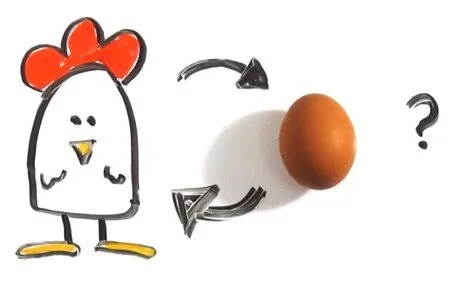
Knowing this, can you now answer the question, "which came first, the chicken or the egg?"
Learn More:
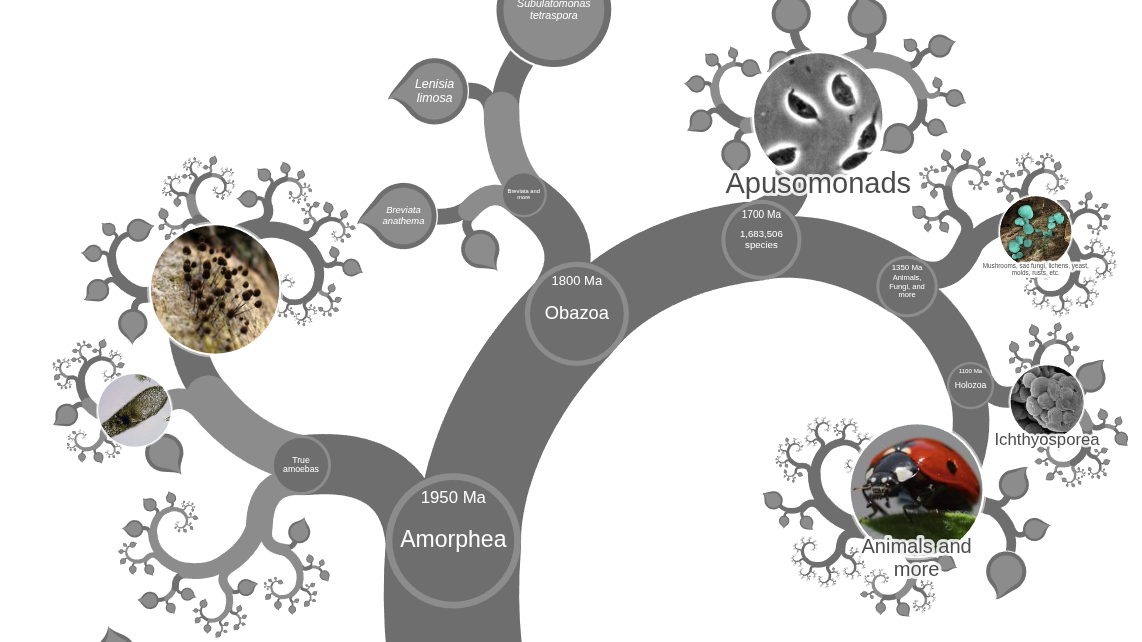
- Interactive Taxonomy Map: OneZoom Tree of Life Explorer
- The human genome is a complete set of DNA sequences for each of the 22 autosomes and the two distinct sex chromosomes.
https://en.wikipedia.org/wiki/Human_genome - List of human evolution fossils
https://en.wikipedia.org/wiki/List_of_human_evolution_fossils - Neuroevolution of Machine Learning explained with Video Games
Download